
Attic Ventilation: Lower Energy Bills and Cleaner Air for Omaha and Iowa Homes
High energy bills and a stuffy, hot second floor are more than just annoyances—they often point to poor attic ventilation. For homeowners in Omaha and Iowa, this hidden problem can drive up costs, damage roofs, and lower indoor air quality. In this post, you’ll learn how proper attic ventilation can help your home stay cooler, cut energy use, and protect your investment. Keep reading to spot warning signs and find out how MAX Roofing can help with a free attic ventilation check. For more information, visit this article.
Importance of Attic Ventilation
Knowing why your attic needs proper airflow can change everything. It’s not just about keeping cool—it’s about saving money and maintaining a healthy home environment.
Energy Savings and Comfort
Imagine walking into a home where each room feels just right. Attic ventilation plays a big part in making that happen. By allowing hot air to escape, your air conditioner doesn’t have to work as hard. This can lead to a noticeable drop in your energy bills. According to studies, a well-ventilated attic can reduce cooling costs by up to 15%. This not only saves you money but also extends the life of your HVAC system by reducing its load.
But it’s not just about the numbers. A cooler attic means a more comfortable home, especially during the hot summer months. When your attic is properly ventilated, you avoid temperature spikes that make your second floor uncomfortably warm. Keeping it cool upstairs brings more comfort downstairs, too. Want to know more? Check out this resource.
Roof Protection Benefits
Your roof is more than just a shield from the weather—it’s an investment in your home. Proper ventilation helps protect it from costly damage. A well-ventilated attic prevents moisture buildup, which can cause mold and mildew. This moisture can also lead to wood rot, causing structural issues over time.
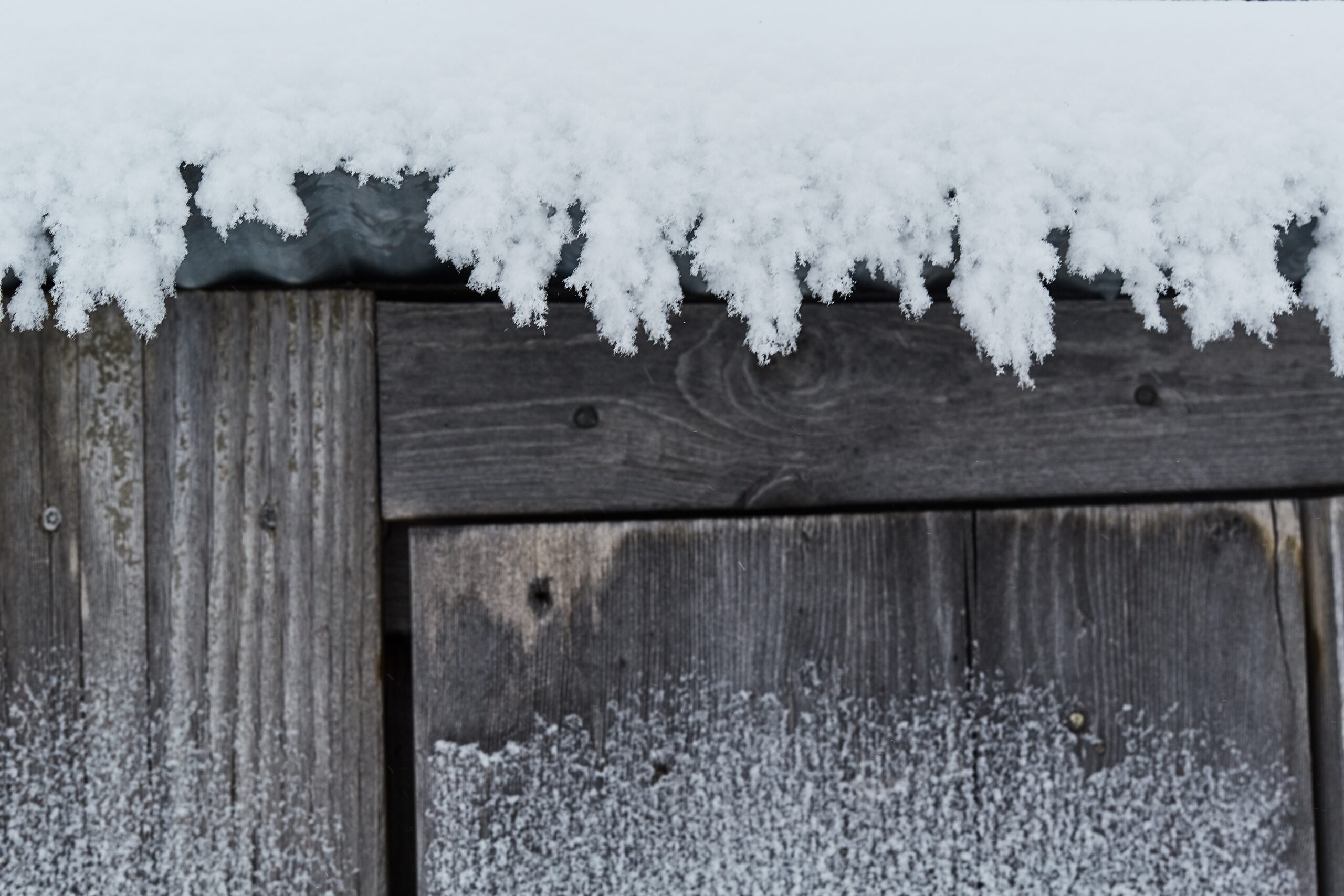
Attic ventilation also helps in ice dam prevention. In the winter, a warm attic can cause snow on your roof to melt and refreeze at the edges, forming ice dams. These can damage gutters and shingles, leading to leaks and expensive repairs. Maintaining a consistent attic temperature prevents these winter hazards, keeping your roof safe and sound.
Indoor Air Quality Improvement
Breathe easier knowing your home’s air is clean and fresh. Attic ventilation also impacts indoor air quality. When air circulates properly, it reduces the chance of pollutants and allergens building up. This is crucial for families with allergies or respiratory issues.
Without proper ventilation, you might notice musty odors or even see mold growth, both signs of poor air quality. By keeping your attic ventilated, you’re ensuring that stale, contaminated air is pushed out, making room for fresh air to flow in. Learn more about how ventilation impacts air quality on this site.
Identifying Ventilation Issues
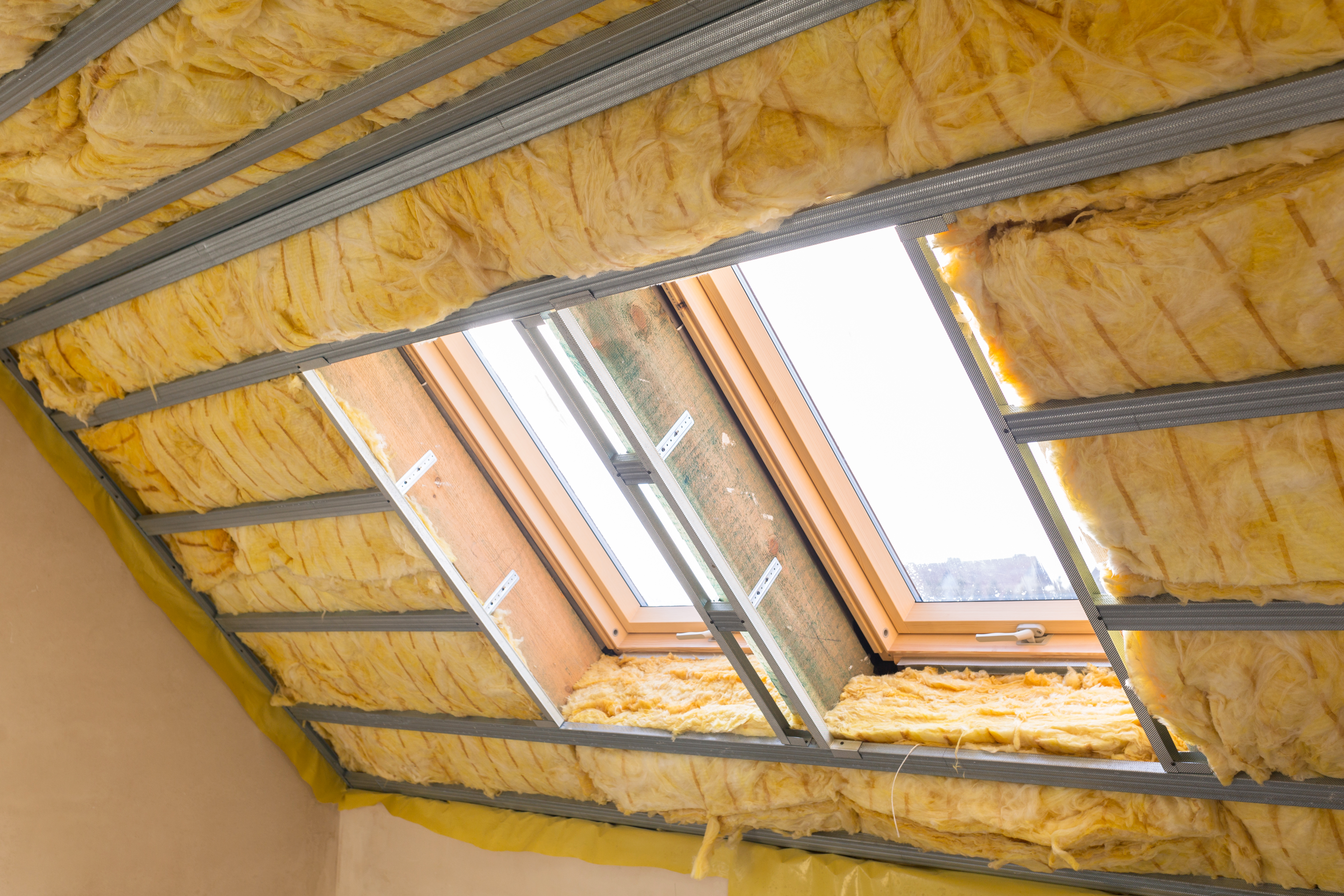
Spotting the signs of poor ventilation early can save you from bigger headaches later on. Here’s what to look out for and why it matters.
Common Warning Signs
You don’t need to be an expert to see when something’s wrong. Start by heading to your attic. Is it uncomfortably hot or damp? These are classic signs of poor ventilation. Also, check for any signs of moisture or mold on the attic ceiling or walls. If you notice peeling paint, warped wood, or rusted metal, it could indicate moisture problems.
Another sign is uneven temperatures throughout your home. If the second floor is always hotter than the rest, it might be time to look at your attic. Lastly, a stuffy smell or visible mold can also be a tip-off that your attic isn’t breathing as it should.
Effects of Poor Ventilation
Ignoring these signs can lead to bigger problems. Poor ventilation can cause your energy bills to skyrocket due to increased air conditioning use. Plus, the moisture buildup can lead to mold growth, which isn’t just bad for your home—it’s bad for your health. Mold spores can trigger allergies and respiratory problems.
Structural damage is another risk. When moisture gets trapped, it can weaken the materials in your roof, leading to expensive repairs or even a premature roof replacement. By addressing these issues, you protect both your home and your pocketbook.
Best Practices for Attic Ventilation
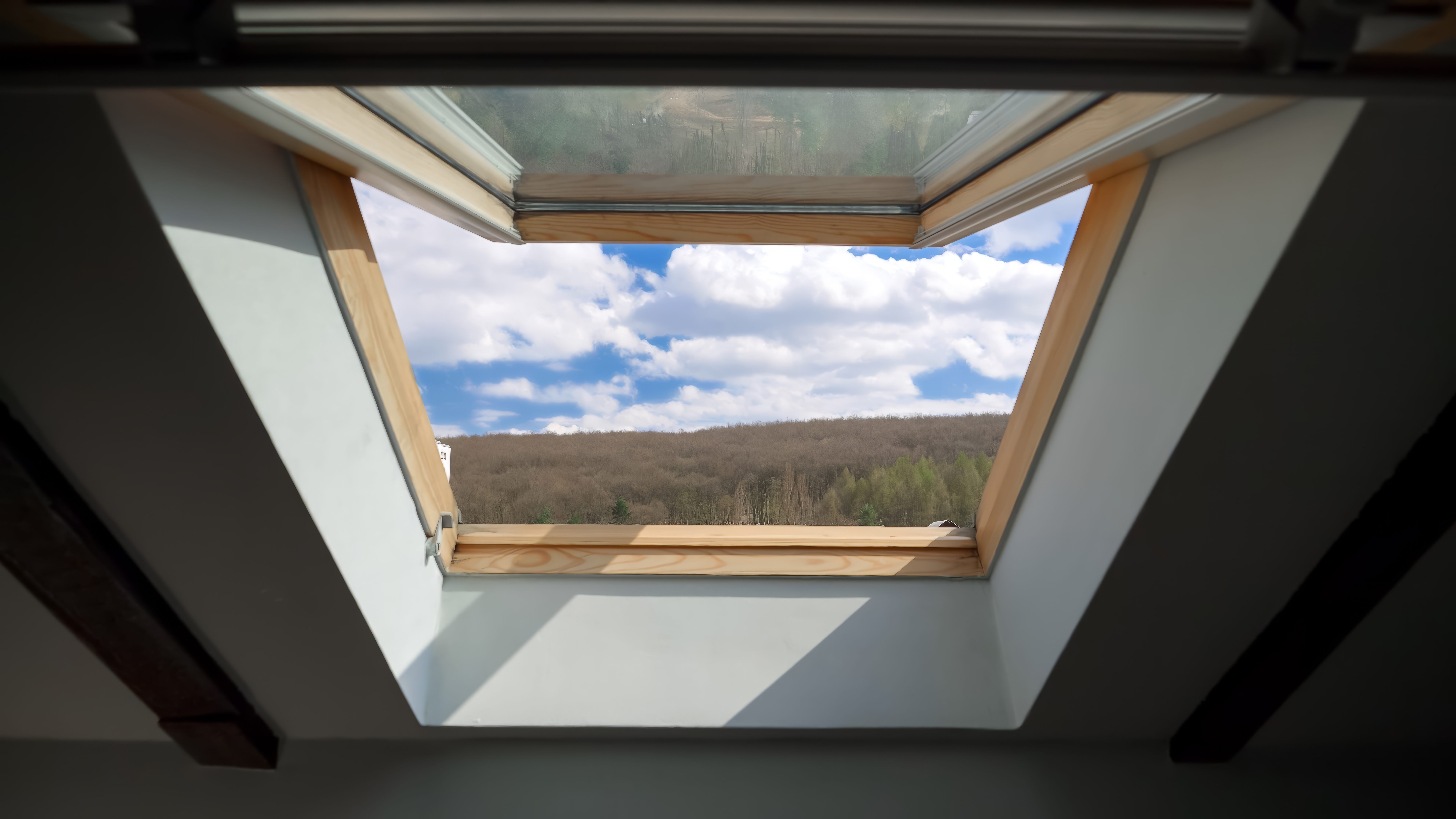
Now that you know the signs, what can you do? Here are some best practices to keep your attic in top shape.
Balanced Intake and Exhaust
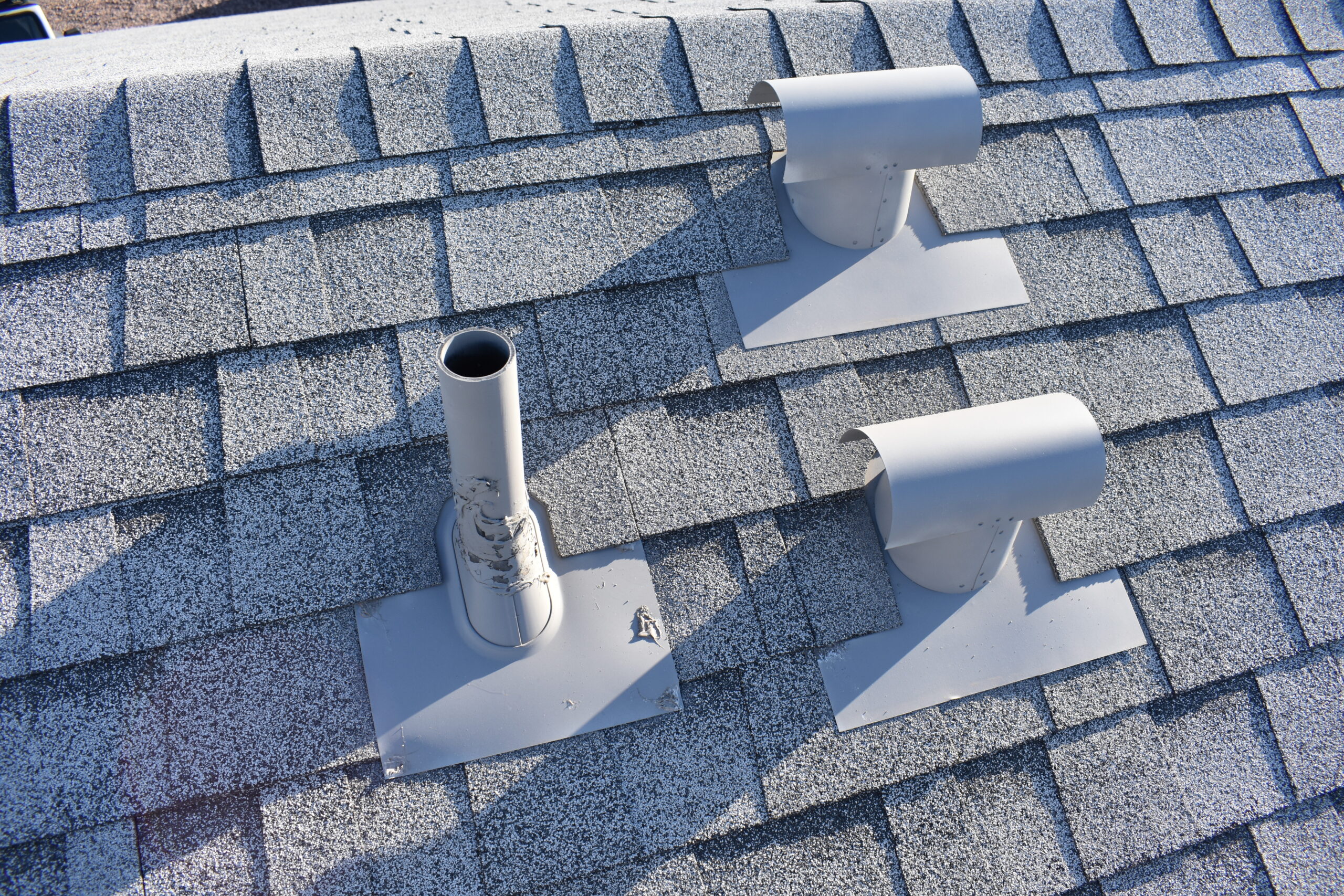
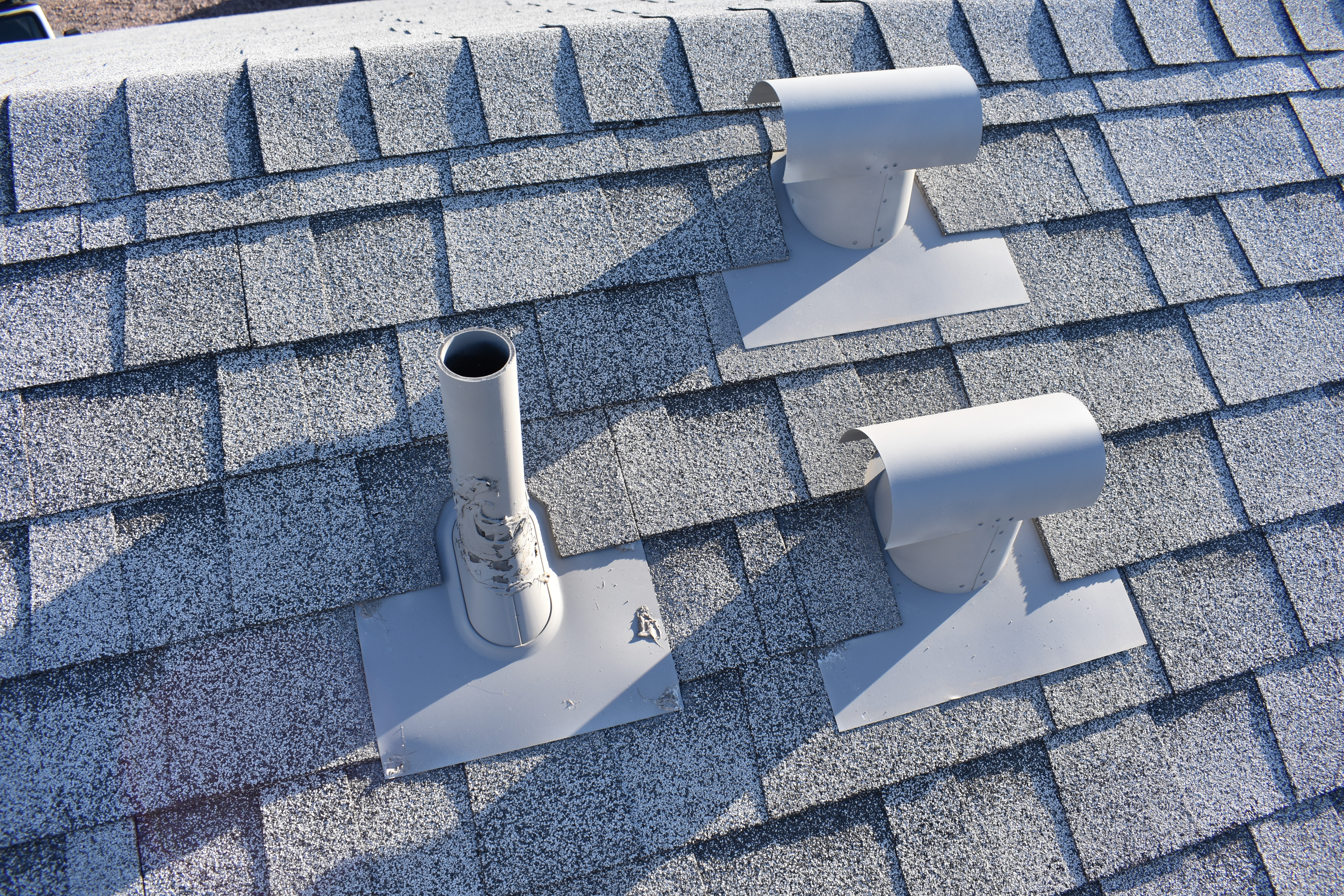
Think of your attic as a system that needs balance. For ventilation to work, it must have a proper mix of intake and exhaust. This ensures that air flows smoothly, keeping your attic temperature stable. Soffit vents help bring in fresh air from outside, while ridge vents or an attic fan allow hot air to escape.
A balanced system prevents the buildup of heat and moisture, reducing the risk of damage to your roof and attic space. It also maintains energy efficiency by helping your HVAC system run smoothly. For a deeper dive into attic air circulation, read this article.
Importance of Proper Insulation
Insulation is just as critical as ventilation. It helps keep the warm air where it belongs—in your living space. Proper attic insulation complements ventilation by reducing heat transfer, ensuring that your home remains comfortable year-round.
When installing insulation, ensure there are no gaps or compression, as these can reduce its effectiveness. Insulation works hand-in-hand with ventilation to keep your home energy-efficient, reducing costs and protecting your investment. If you’re considering an upgrade, consulting with an Iowa roofing contractor could be the next step.
In conclusion, taking the time to ensure your attic is properly ventilated can save you money, protect your home, and improve your quality of life. Remember, the longer you wait to address these issues, the more costly they can become. While we didn’t provide a direct call-to-action link here, we encourage you to reach out to MAX Roofing for a free assessment and start reaping these benefits today.