
Attic Ventilation: Lower Energy Bills, Cleaner Air, and a Longer-Lasting Roof
High energy bills and stuffy rooms don’t have to be part of your daily life. The root cause often lies hidden above your ceiling—in your attic ventilation. Proper attic ventilation balances airflow, which lowers cooling costs, improves indoor air quality, and protects your roof from damage. In this post, you’ll learn how ridge vents, soffit vents, and other options can help your Omaha or Iowa home stay comfortable year-round. For more insights, visit this guide on attic ventilation.
Benefits of Attic Ventilation
Imagine enjoying cooler summers and warmer winters without constantly adjusting your thermostat. This dream can become a reality with the right attic ventilation.
Improve Energy Efficiency
Attic ventilation is a game-changer for your home’s energy use. By allowing hot air to escape, ventilation reduces the strain on your air conditioner. In fact, proper ventilation can lower your cooling costs by up to 10%. Less heat buildup means less work for your HVAC system, leading to noticeable savings on your energy bills. Plus, in the winter, ventilation helps maintain a more consistent temperature, keeping your heating costs in check.
Enhance Indoor Air Quality
Good attic ventilation doesn’t just help your wallet; it also benefits your health. Stagnant air can lead to mold growth and poor indoor air quality. With balanced airflow, fresh air circulates throughout your home, cutting down on allergens and pollutants. This can greatly improve the air you and your family breathe daily, leading to fewer allergy symptoms and a more comfortable living environment.
Extend Roof Life
Did you know that poor attic ventilation can shorten your roof’s lifespan? Trapped heat and moisture can damage shingles, leading to costly repairs. A well-ventilated attic prevents this by allowing moisture to escape, which is especially crucial in Omaha’s climate. Proper ventilation ensures your roof lasts longer, protecting your home investment.
Ventilation Options Explained
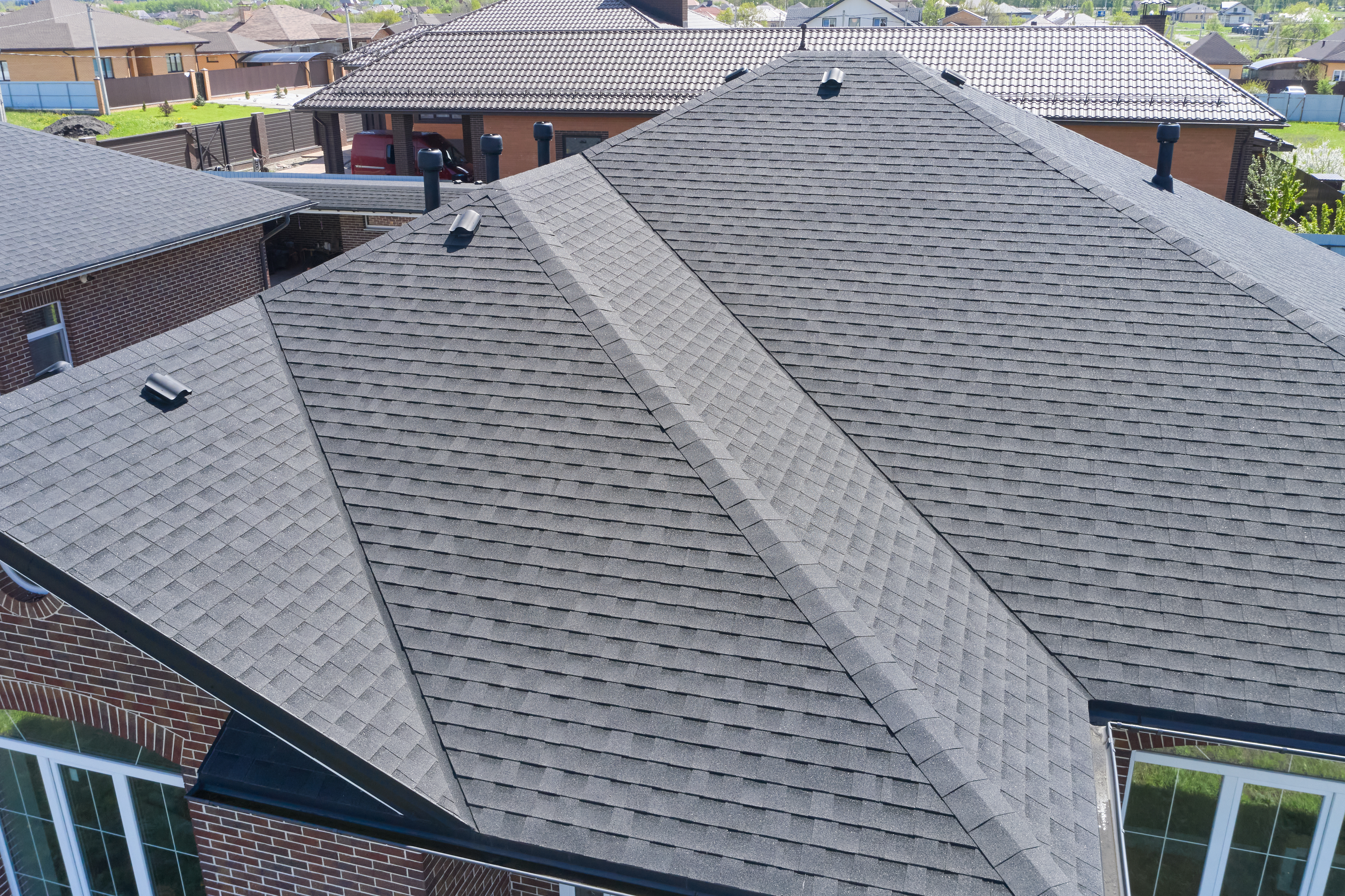
Now that you see the benefits, let’s explore the different ways to achieve effective attic ventilation for your home.
Ridge and Soffit Vents
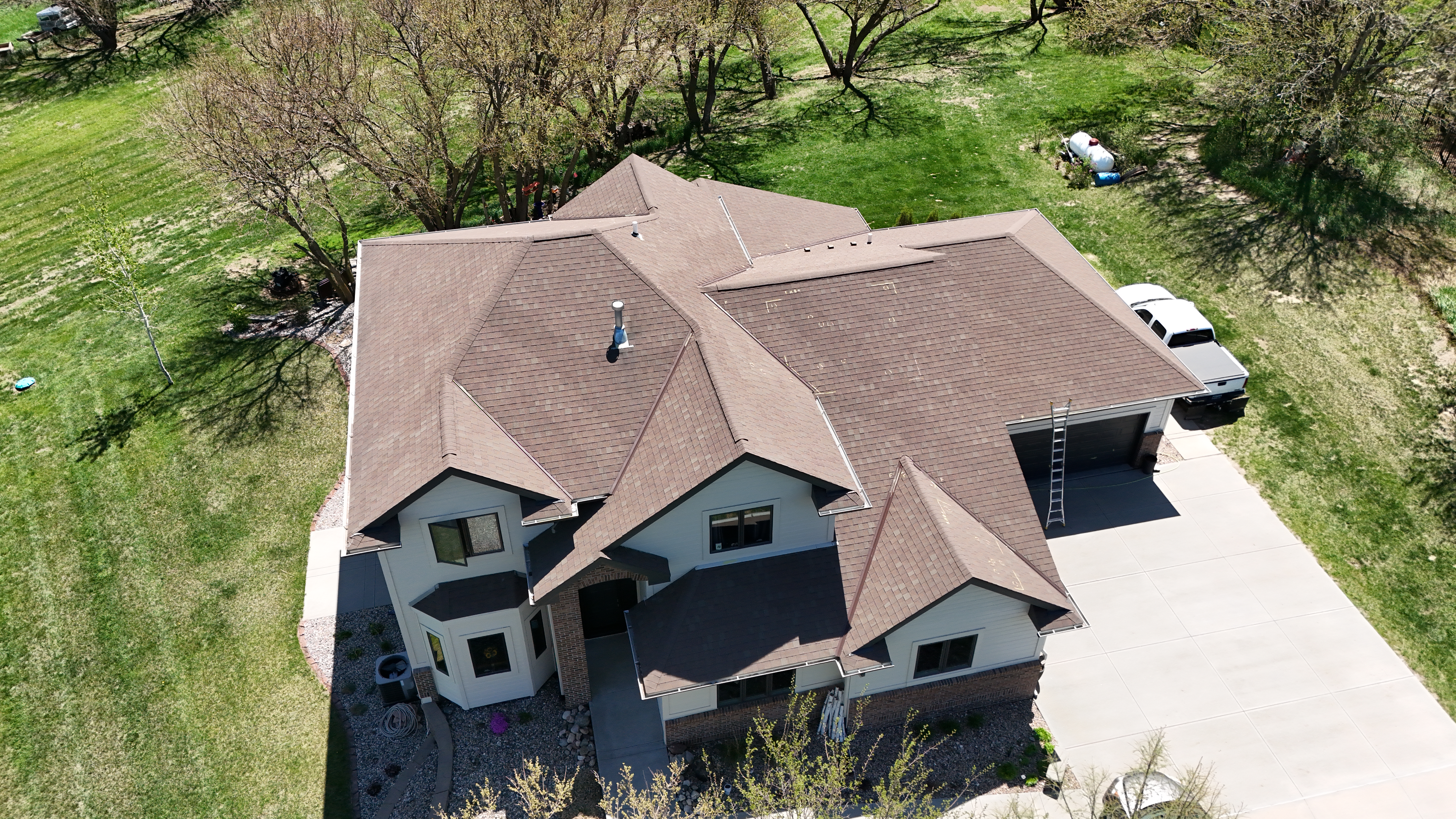
Ridge and soffit vents work together to create a flow of air that keeps your attic cool and dry. Ridge vents are installed along the roof’s peak, while soffit vents are placed under the eaves. This setup allows warm air to rise and exit through the ridge vents, while cool air enters through the soffit vents. This continuous airflow prevents heat buildup and moisture accumulation, both of which can damage your roof and increase energy costs.
Attic Fans and Their Role
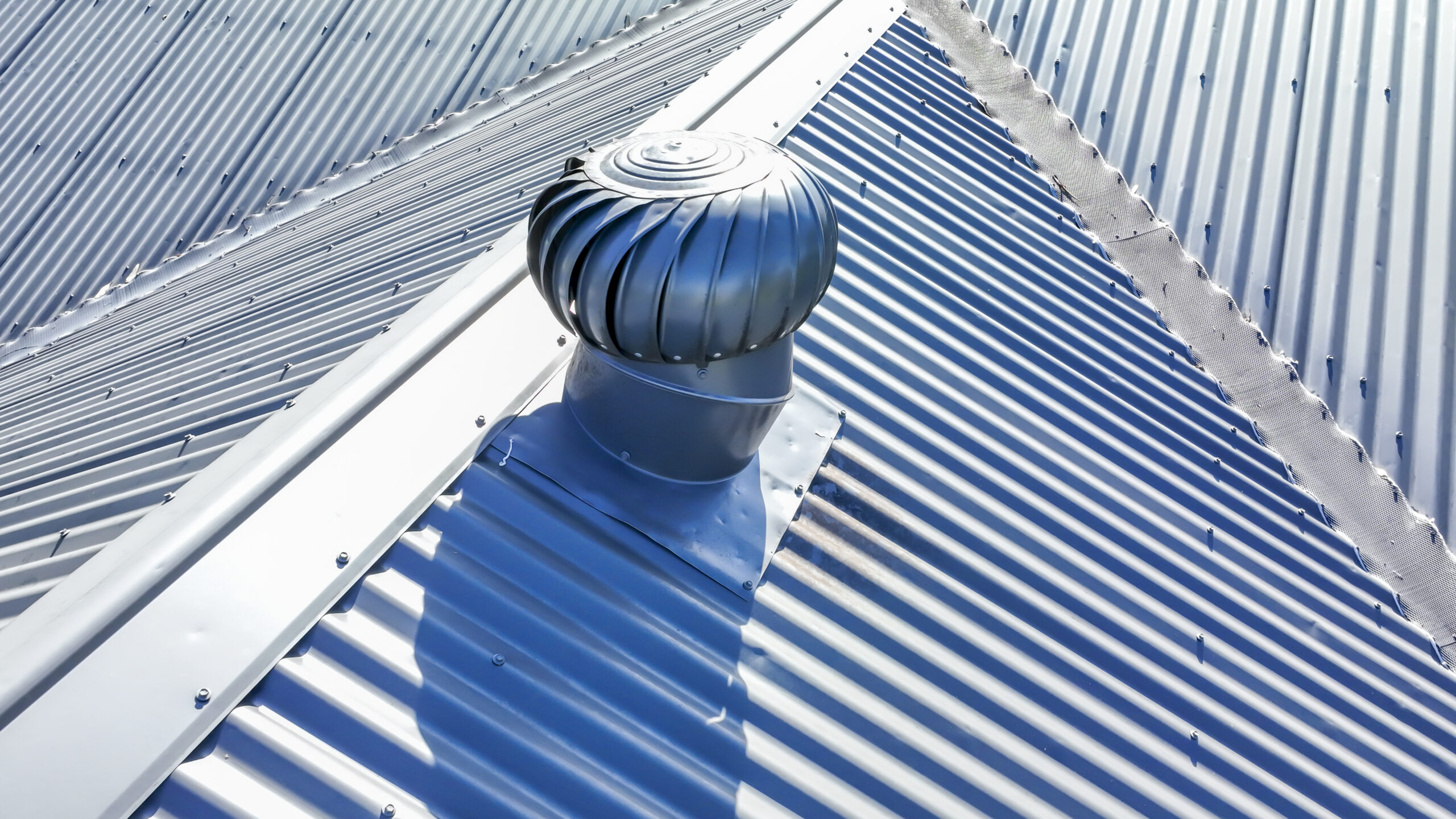
Attic fans are another effective tool in managing attic heat. By actively pulling air out of the attic, these fans help reduce the temperature inside. But are they right for your home? Explore the pros and cons of attic ventilation fans to see if this option suits your needs. Keep in mind that attic fans can complement natural ventilation methods, enhancing overall effectiveness.
Pairing with Insulation
Ventilation and insulation go hand in hand. Insulation keeps your home cozy, while ventilation ensures that insulation remains dry and effective. Damp insulation loses its ability to retain heat, leading to higher energy bills and potential mold issues. By pairing good ventilation with quality insulation, you maintain a comfortable home environment year-round.
Warning Signs and Solutions
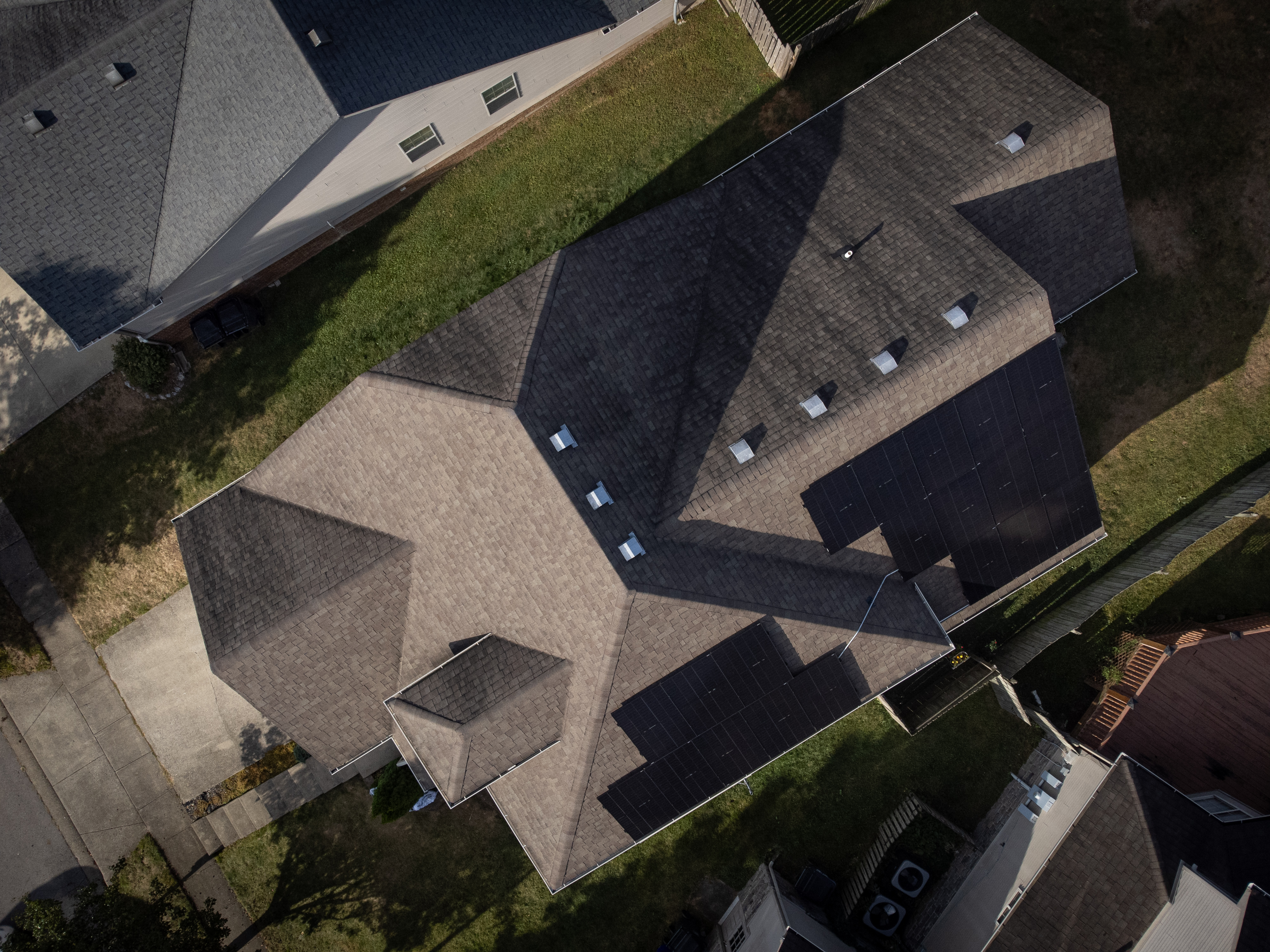
Not sure if your attic ventilation needs attention? Here are some common issues that might indicate a problem.
High Energy Bills
If your energy bills are soaring despite moderate usage, poor attic ventilation could be the culprit. Without proper airflow, your HVAC system works overtime, driving up costs. Addressing ventilation can lead to immediate savings.
Stuffy Rooms and Humidity
Do some rooms feel stuffy or overly humid? This discomfort might stem from inadequate attic ventilation. Ensure that air circulates freely to avoid these issues and maintain a pleasant indoor climate.
Ice Dams and Moisture Issues
Winter brings unique challenges, like ice dams. These form when heat escaping from a poorly ventilated attic melts snow, which then refreezes at the roof’s edge. Ice dams can cause water damage and leaks. Proper ventilation helps prevent this by keeping your attic cool, even in frigid temperatures. For more on moisture control, see this attic ventilation guide.
Remember, you don’t have to tackle these issues alone. Consider scheduling a free inspection with a roofing expert to ensure your attic ventilation is up to par. A professional can provide tailored solutions to improve your home’s comfort and efficiency.