
Choosing the Right Siding for Nebraska Weather: Vinyl vs. Fiber Cement vs. Engineered Wood vs. Steel
Nebraska’s weather puts siding to the test every year. Strong winds, hail storms, and freeze–thaw cycles can wear down the wrong materials fast. Choosing the best siding for Nebraska weather means understanding how vinyl, fiber cement, engineered wood, and steel stand up to these challenges. Let’s break down the options so you can protect your home and boost its curb appeal with confidence. For more information, you can visit this guide.
Nebraska Weather Challenges
Choosing the right siding for your home means understanding Nebraska’s unique weather conditions. Let’s explore how weather patterns impact your siding choices.
Wind and Hail Impact
Nebraska is no stranger to strong winds and hail. These forces can severely damage your home’s exterior. Hailstones can chip and crack siding, while high winds can loosen or even tear it off. Vinyl siding is popular due to its affordability, but it may not withstand extreme hail impact. Fiber cement, on the other hand, offers better resistance, as does steel siding. Steel can handle winds up to 120 mph and hailstones without showing much wear. If you live in a high-impact area, consider these materials for peace of mind. To learn more about choosing the right siding, visit Modern Mill’s guide.
Freeze-Thaw Cycles
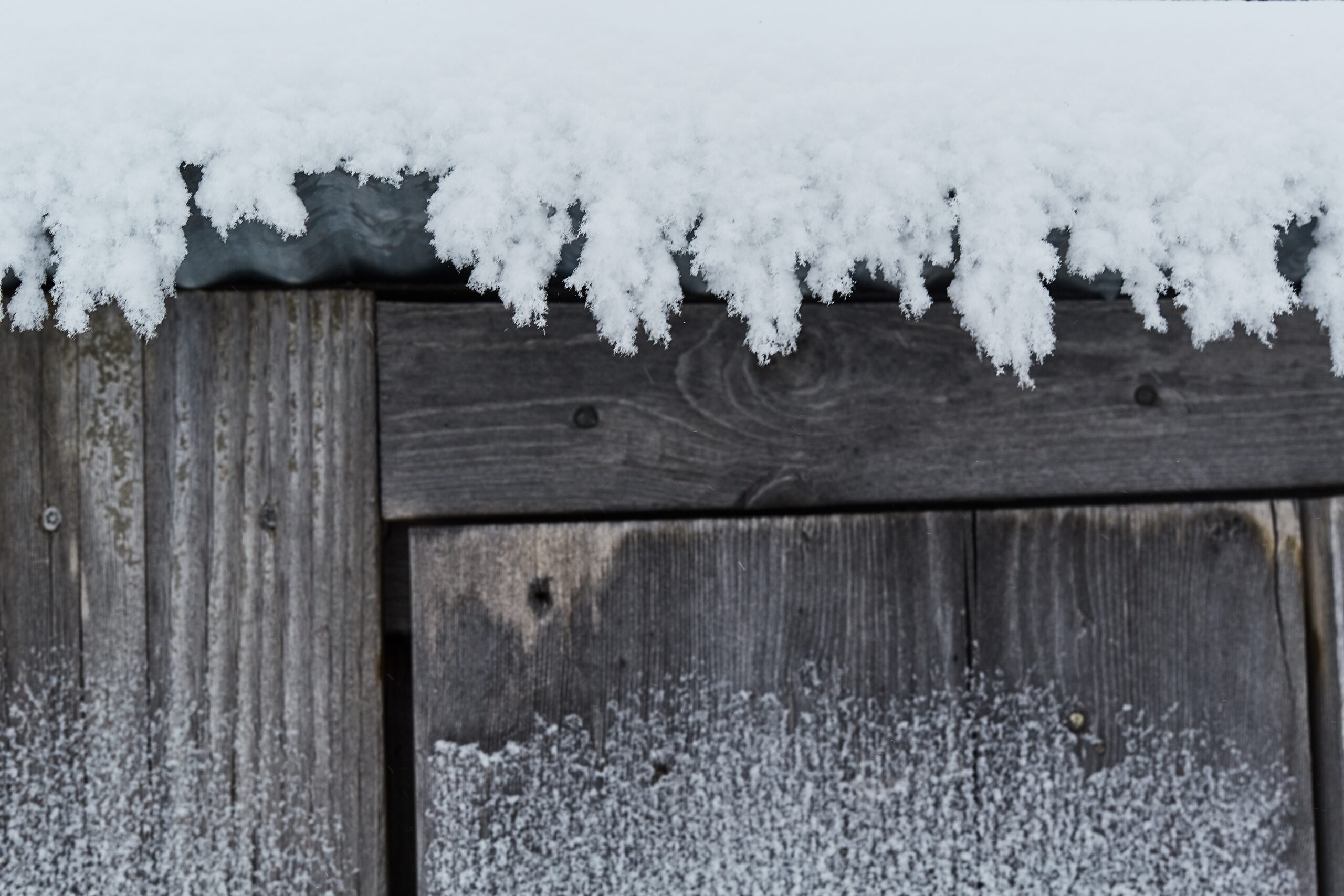
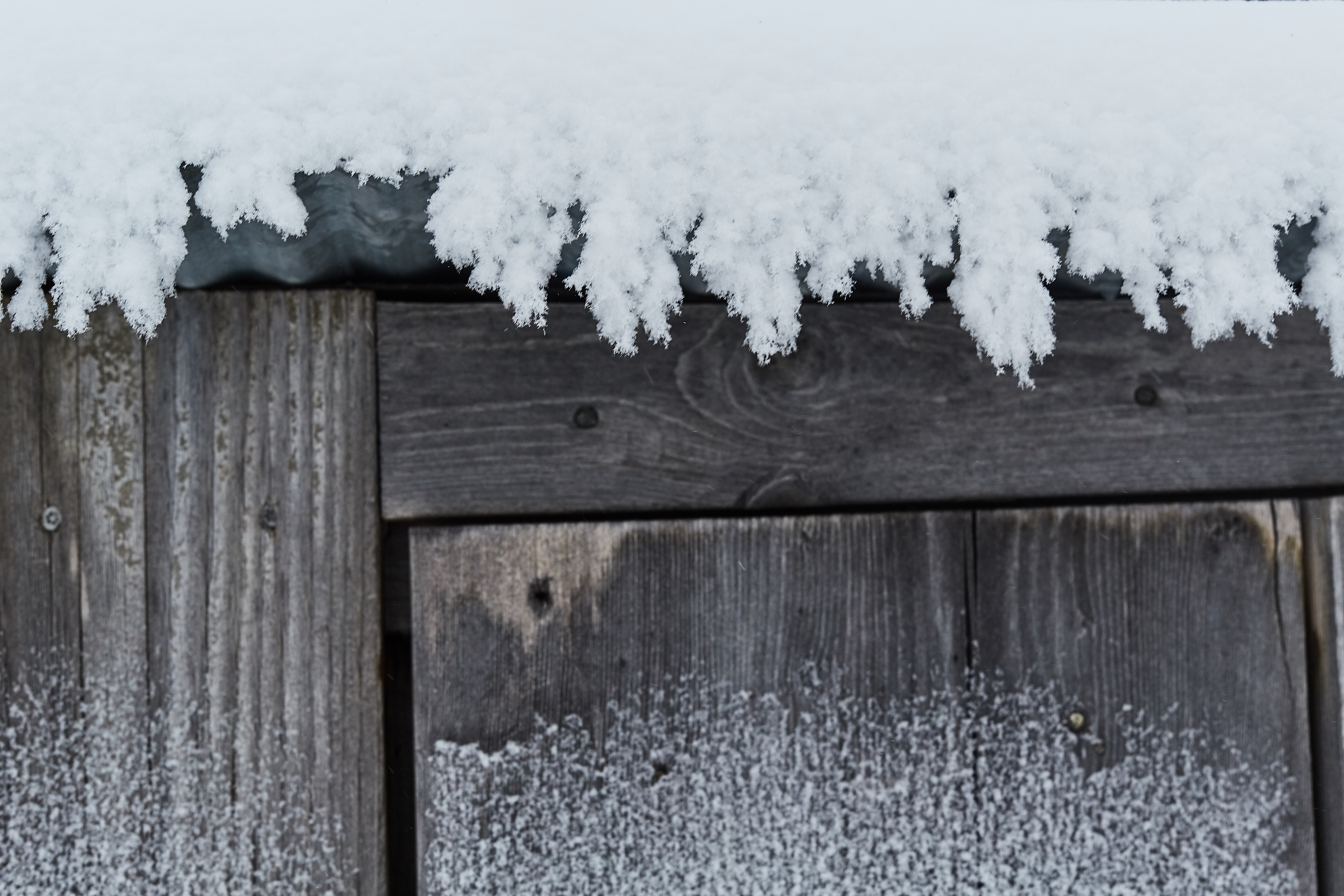
The freeze-thaw cycle is another challenge. This process occurs when water trapped within siding material freezes and expands, then thaws and contracts. Over time, this can cause siding to crack or warp. Engineered wood like LP SmartSide is treated to resist moisture, making it a solid choice for these conditions. Fiber cement also stands strong, as it doesn’t absorb water easily. Vinyl siding, while less costly, might not last as long when exposed to repeated freeze-thaw cycles. If durability is your priority, fiber cement or engineered wood can be wise investments.
Siding Material Comparison
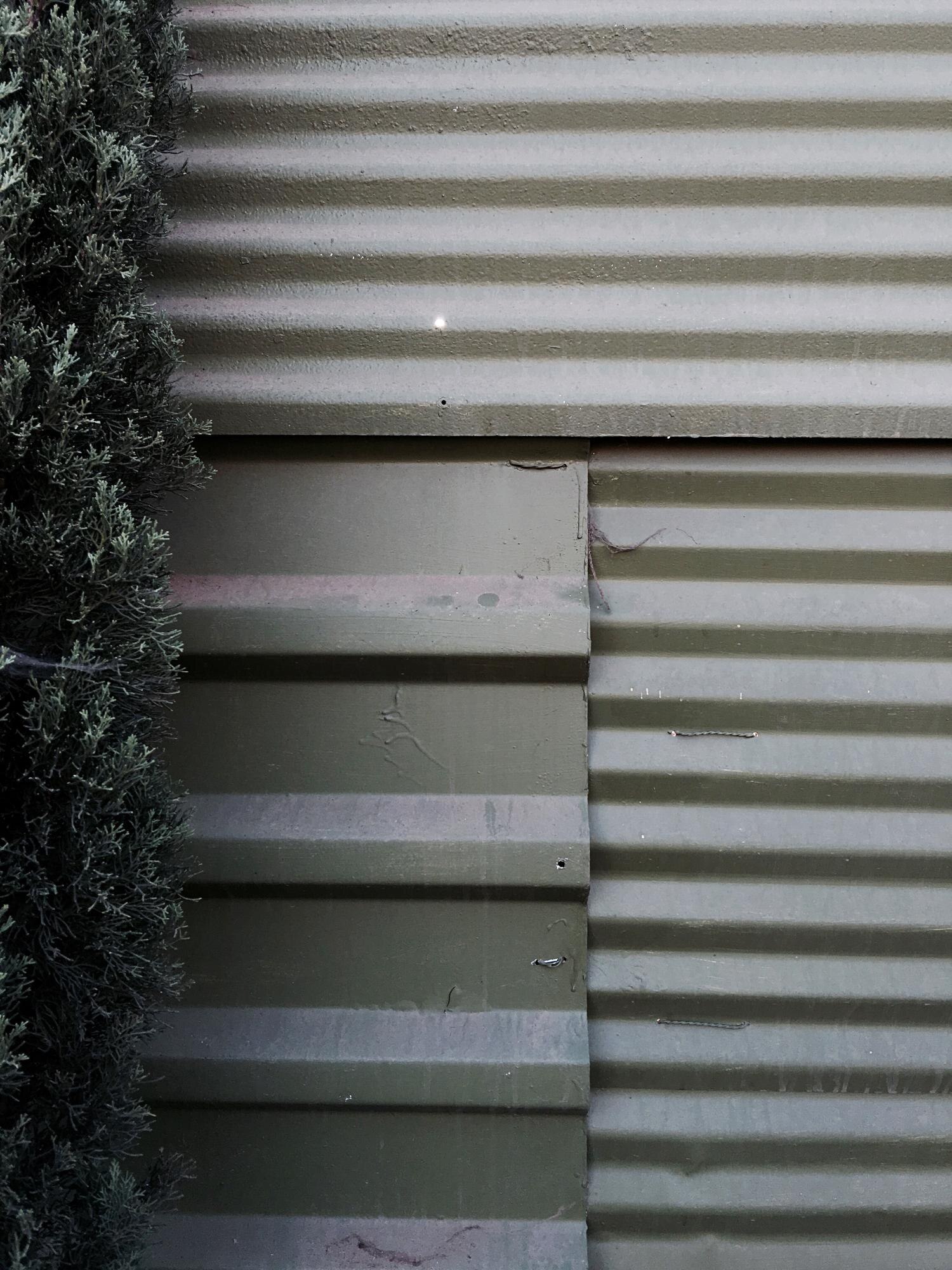
Armed with knowledge about Nebraska’s weather, let’s compare siding materials to find the best fit for your home.
Durability and Maintenance
Longevity and upkeep are key when selecting siding. Steel siding often lasts over 50 years and requires minimal maintenance, resisting dents and scratches. Fiber cement boasts a lifespan of 30-50 years and needs occasional repainting to look fresh. Vinyl siding lasts 20-30 years but can fade or crack, requiring more frequent attention. Engineered wood combines durability with a natural look, lasting up to 30 years with proper care. Each material has unique benefits, so consider your maintenance preferences when deciding. This article from Thompson Creek provides further insights.
Cost and Curb Appeal
Budget and appearance are just as crucial. Vinyl siding is budget-friendly, offering various colors and styles. Fiber cement is pricier but mimics wood’s aesthetic, boosting curb appeal. Engineered wood provides a natural look, often at a lower cost than real wood. Steel siding offers modern appeal and can increase your home’s value. Balancing cost with your desired look ensures a wise investment in your home.
Energy Efficiency
Your siding choice affects energy efficiency, impacting utility bills. Engineered wood and fiber cement both provide good insulation, helping maintain indoor temperatures. Vinyl siding can offer insulation options too, while steel siding might require additional insulation to match the others’ efficiency. To maximize energy efficiency, consider adding a house wrap or flashing during installation to reduce heat loss. For more tips on siding and energy efficiency, explore Christensen Lumber’s blog.
Installation and Warranty Insights
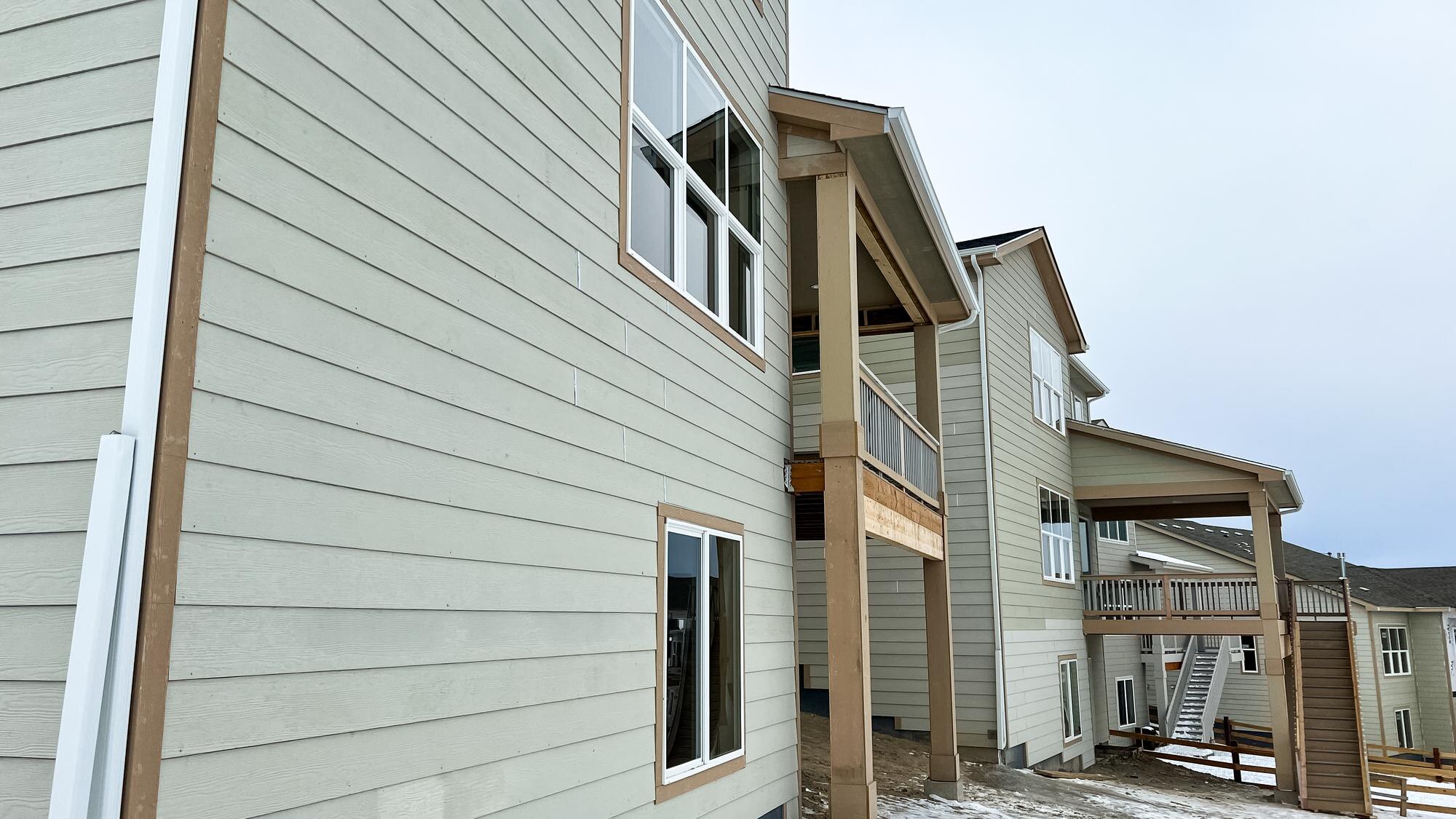
Understanding installation and warranties is vital to getting the most from your siding investment.
Best Practices for Installation
Proper installation ensures your siding performs well. Always hire professionals familiar with local weather challenges, like those at MAX Roofing. Ensure the use of high-quality materials, proper sealing, and precise alignment to avoid future problems. For example, adding a house wrap during installation can enhance insulation and moisture control, prolonging your siding’s life.
Understanding Warranties
Warranties provide peace of mind, covering defects or issues. Vinyl siding often comes with a lifetime warranty, but check for coverage specifics. Fiber cement and engineered wood usually offer 30-50 year warranties, focusing on material integrity. Steel siding warranties may vary, so review the terms carefully. Ensure you understand what’s covered, from color fading to structural issues, before making a decision. A good warranty can save you from unexpected costs down the line.
By choosing the right siding for Nebraska’s weather, you protect your home and enhance its appearance. Whether you prefer the durability of fiber cement or the modern look of steel, understanding each material’s benefits helps you make an informed choice. For a free inspection and estimate, contact MAX Roofing today.