
Maximizing Your Insurance Benefits After Storm Damage: A Homeowner’s Guide for Nebraska and Iowa
Storm damage roof repair in Omaha isn’t just about fixing shingles—it’s about making sure you get every dollar your insurance owes you. After hail or wind hits, you might feel overwhelmed by the paperwork and inspections ahead. This guide will help you document damage clearly, avoid common claim mistakes, and even take advantage of upgrades like a free Class 4 shingle—so your roof and wallet come out stronger. Keep reading to learn how MAX Roofing supports you through it all.
Documenting Storm Damage
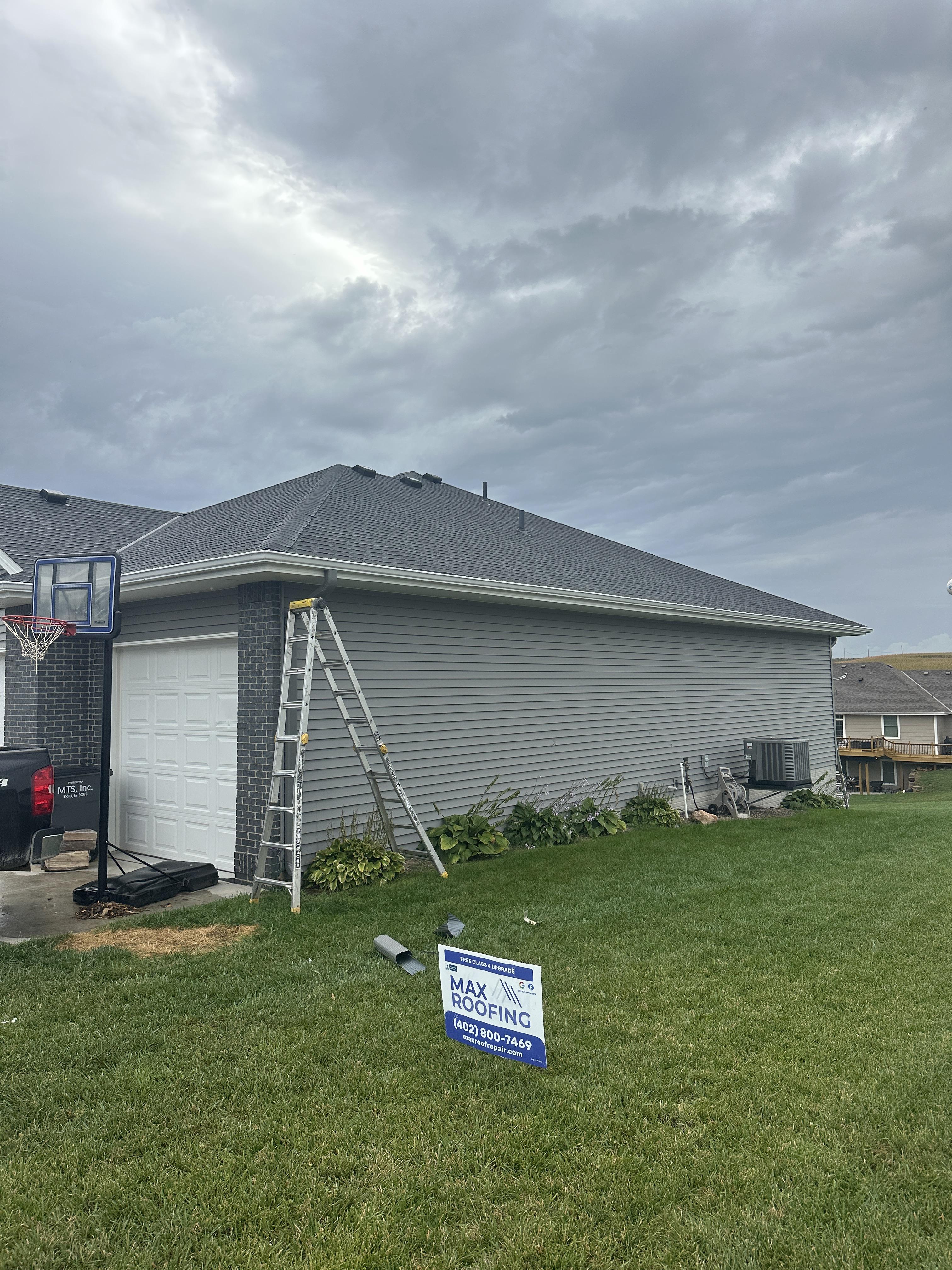
Feeling overwhelmed when a storm hits your home is natural, but capturing the right details early on can ease your stress. Here’s how you can make sure you’ve got everything covered.
Effective Damage Photography
Capturing storm damage with clear photos is crucial. Start by photographing your roof from all angles. Morning or late afternoon light works best to avoid glare. Take close-ups of visible damage, like missing shingles or dents. Don’t forget the ground! Document broken branches or debris for your records. Remember, these images will back up your insurance claim, showing the extent of the damage clearly.
Photos aren’t just for the roof. Include shots of gutters, siding, and windows. If possible, use a measuring tape in some pictures to give perspective on the size of the damage. This level of detail can make a big difference in your claim. Finally, store these photos safely—either online or in a dedicated folder—so they’re ready when you need them.
Essential Details for Claims
Precision pays off when documenting storm damage. First, jot down the date and time of the storm. This timeline helps when discussing the incident with your insurer. Note any weather conditions, like hail size or wind speed, which can be found online.
Keep all related documents handy. This includes repair estimates, receipts for temporary fixes, and any communication with contractors. A detailed log will help you track the claim process and expenses. All this information together creates a convincing case for your insurance provider.
Navigating Insurance Claims
Once you’ve documented the damage, it’s time to engage with your insurance company. This can be daunting, but with the right steps, you’ll navigate it smoothly.
Filing Your Roofing Claim
Starting your roofing claim promptly is key. Begin by contacting your insurance company to report the storm damage. When speaking with them, reference your photos and records to provide a clear account. They may send you forms to fill out—ensure these are completed accurately to prevent delays.
While filing, ask about timelines for assessments and next steps. Clear communication keeps your claim moving. Also, request a copy of your policy if you don’t have one handy. Knowing the terms can help you understand what’s covered and prepare for any out-of-pocket expenses.
Managing Adjuster Meetings
The adjuster meeting is critical. They’ll assess the damage and decide on your claim’s approval. Be present during their visit to answer questions and point out key damage. Use your photos to highlight areas that might be overlooked.
After the inspection, ask the adjuster when you can expect their report. Follow up if you don’t hear back within the promised timeframe. Keeping the lines of communication open ensures your claim stays on track.
Avoiding Common Pitfalls
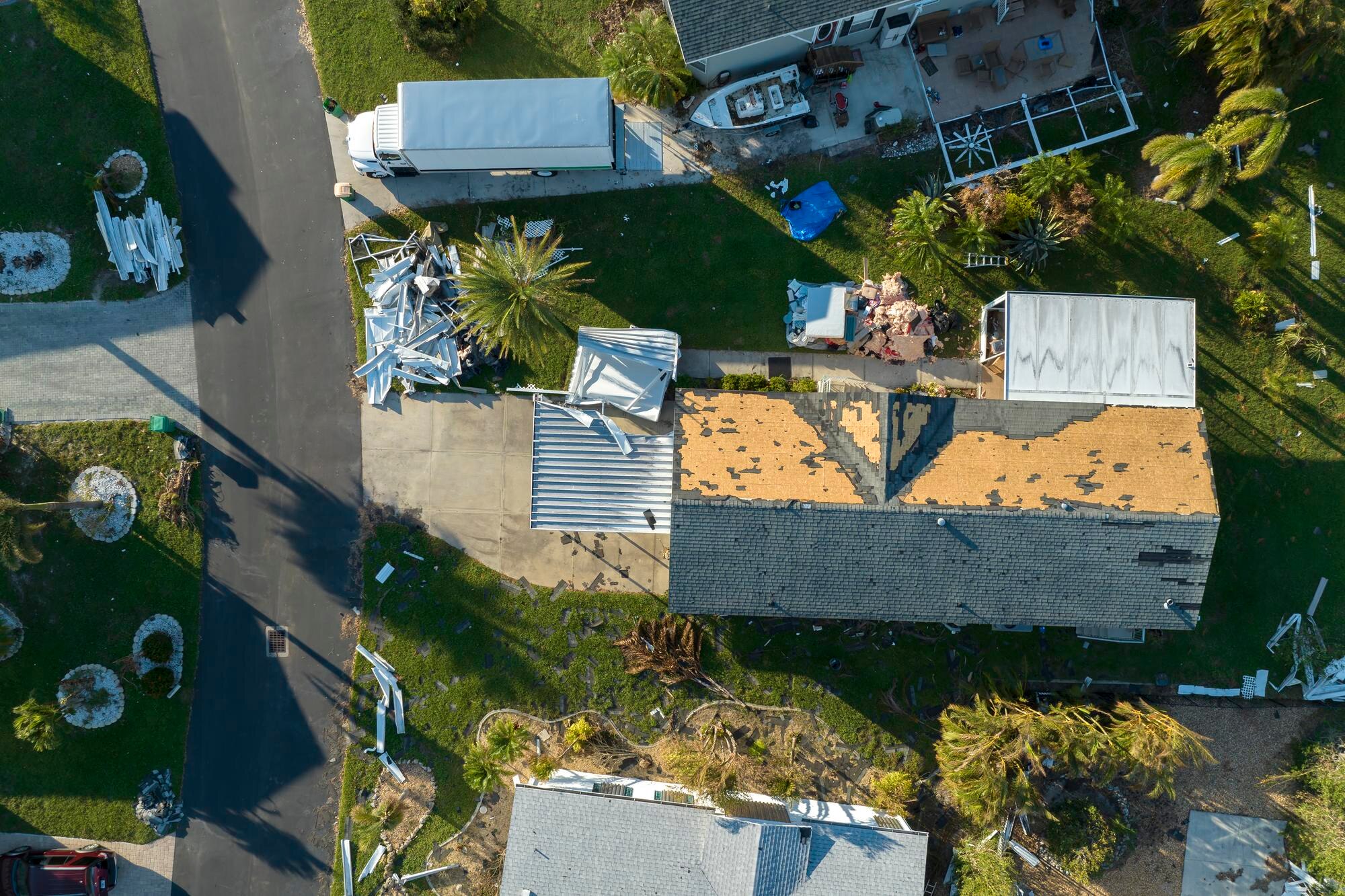
Avoiding pitfalls can save you money and stress. Let’s tackle some common mistakes that homeowners make during this process.
Understanding Roofing Deductibles
Roofing deductibles can be confusing. Your deductible is the amount you pay out of pocket before your insurance kicks in. Knowing this number helps you budget for repairs. If it’s high, consider setting aside funds to cover unexpected costs.
Some people think they can skip paying the deductible, but this can lead to legal trouble. Always follow your policy’s guidelines. Clarify any deductible questions with your insurer to avoid surprises later.
Leveraging Insurance Upgrades
Insurance upgrades can be a hidden gem. Many policies offer options for better materials, like Class 4 shingles, which withstand extreme weather. These upgrades can save you money in the long run by reducing future damage and potentially lowering insurance premiums.
To leverage these opportunities, discuss upgrades with your insurer. They might be more affordable than you expect, especially if part of the cost is covered by your claim. Investing in quality materials now can lead to savings and peace of mind down the road.