
Omaha Roof Replacement Guide: What Homeowners Need to Know
Most homeowners wait too long to replace a worn-out roof, risking leaks and costly damage. If your Omaha home faced hail or storm damage, you might be wondering how to start a roof replacement without headaches. This guide breaks down what you need to know—from spotting warning signs to choosing Class 4 impact-resistant shingles—and shows how MAX Roofing makes the process clear and stress-free. For more insights, visit this guide.
Signs You Need a New Roof
Getting ahead of roof issues can save you from costly repairs down the road. Let’s delve into how you can spot trouble before it escalates.
Detecting Roof Damage
Are you noticing water stains on ceilings or walls? This could be an early warning of roof damage. Did you know that even small leaks can lead to significant structural issues if left unaddressed? A simple visual inspection can reveal missing shingles or sagging areas. Keep an eye out for dark patches or algae growth, as they often signal moisture problems.
In Omaha, severe weather can worsen these issues. After storms, check for loose shingles or debris buildup. Most people think a quick glance from the ground is enough, but a thorough inspection often uncovers hidden problems. Here’s the key insight: Regular checks can help prevent costly repairs.
Recognizing Aging Roofs
As roofs age, their ability to protect your home diminishes. If your roof is over 20 years old, it might be time to consider a replacement. Asphalt shingles, common in Omaha, typically last between 15-30 years. Look for signs like curling, cracking, or granules in gutters—these indicate wear and tear.
The longer you wait to address an aging roof, the more risk you assume. An old roof isn’t just unsightly; it can be a ticking time bomb. Most people are surprised to learn that proactive replacement can actually save money in the long run.
Evaluating Storm Impact
Storms in Nebraska can be relentless, and your roof often bears the brunt. After a hailstorm, inspect for dents or soft spots. Windstorms can rip shingles away, leaving your home vulnerable. You may not see all the damage from the ground—some of the worst harm can be hidden.
Don’t assume your roof is fine just because it looks intact. The reality is that unseen damage can lead to leaks and more significant issues. If storm damage is a concern, scheduling an inspection can give you peace of mind.
Selecting the Right Materials
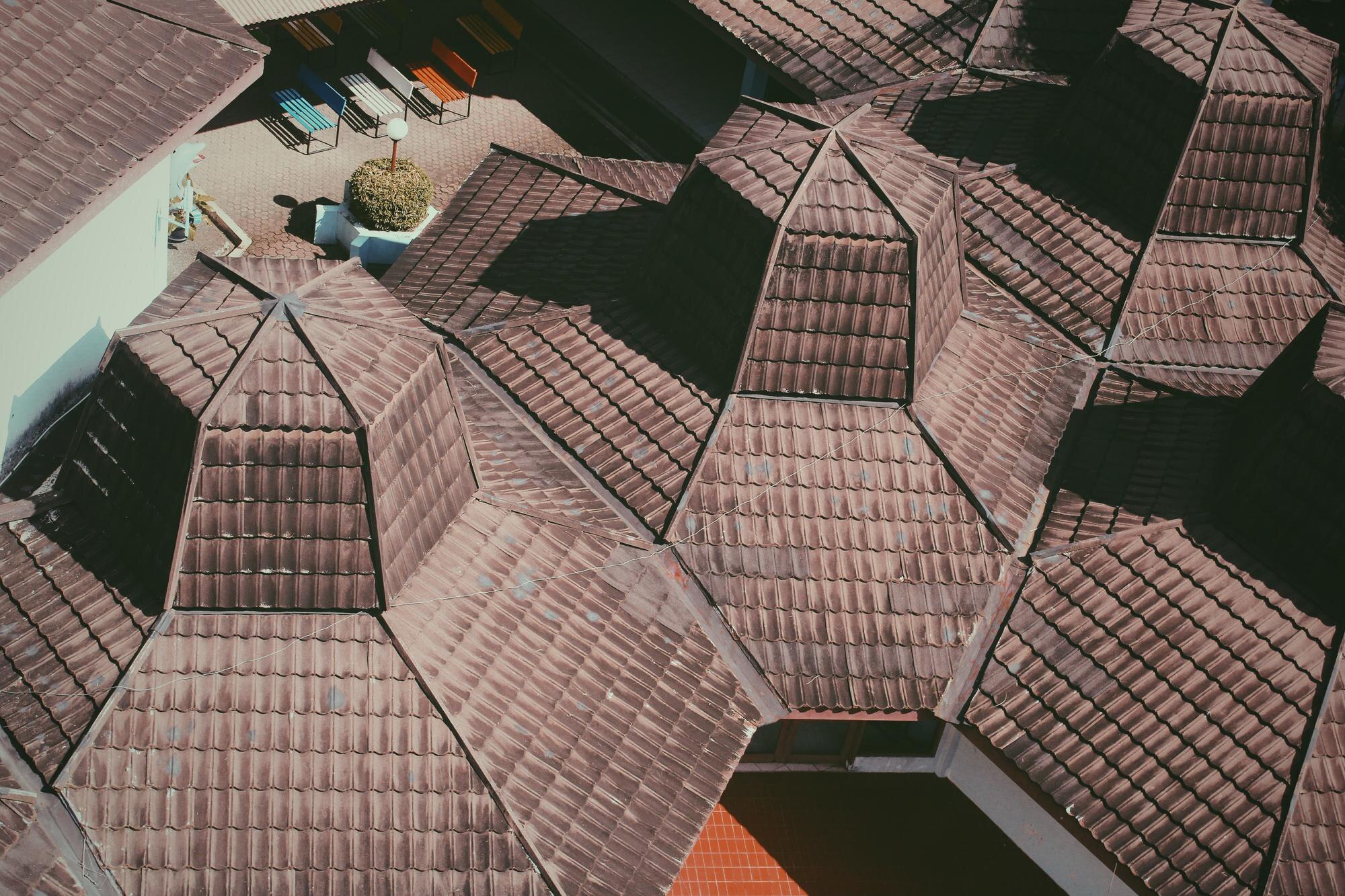
Choosing the right materials for your roof can make all the difference. Let’s explore options that offer protection and longevity.
Benefits of Class 4 Shingles
Class 4 shingles are a top pick for durability. These impact-resistant shingles can withstand hailstones up to two inches in diameter, providing robust protection against Omaha’s weather. They also resist winds up to 120 mph, which is crucial during severe storms.
Opting for Class 4 shingles might qualify you for reduced insurance premiums—a win-win situation. This upgrade enhances safety and offers potential savings. Many homeowners believe regular shingles are enough, but the superior protection of Class 4 can be a game-changer.
Comparing Asphalt Options
When it comes to roofing, asphalt shingles are a popular choice in Omaha. They’re affordable and come in a variety of styles and colors. But how do you choose the best fit for your home? Consider the three-tab versus architectural styles. Three-tab shingles are cost-effective, but architectural shingles offer better longevity and curb appeal.
In fact, architectural shingles can last up to 30 years, compared to 15-20 years for three-tab options. Here’s a thought: Investing slightly more now can save you from frequent replacements later.
Understanding Roof Ventilation
Proper ventilation is crucial for roof health. It prevents mold growth and helps regulate your home’s temperature. Poor ventilation can lead to increased energy bills and premature roof aging. A well-ventilated roof can lower cooling costs by up to 15%.
Most people overlook ventilation, focusing solely on shingles, but it’s a key part of your roof system. Ensuring your roof breathes well can extend its lifespan and keep your home comfortable year-round.
Navigating the Replacement Process
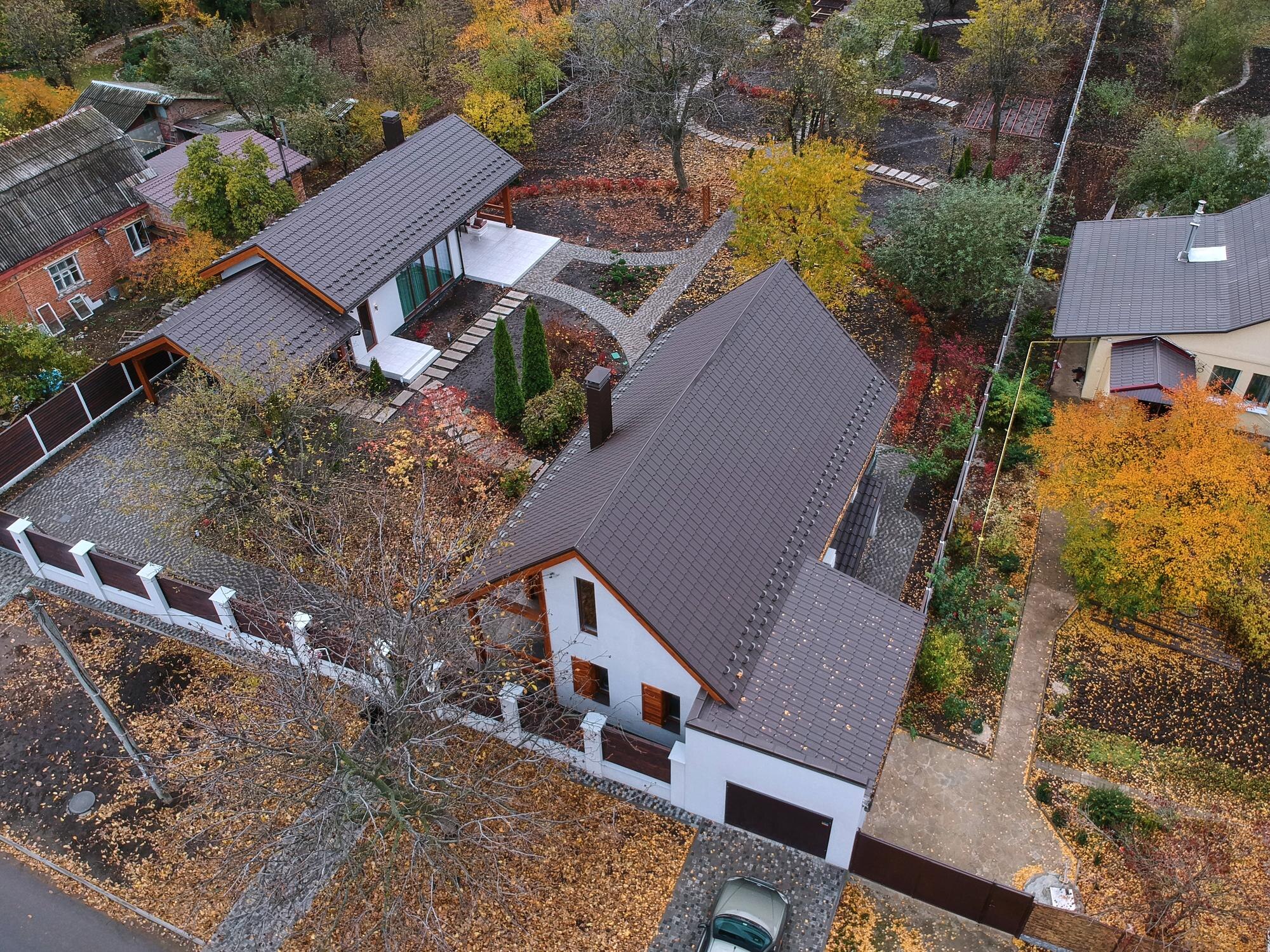
Replacing your roof doesn’t have to be overwhelming. Let’s break down the steps to make it manageable.
Insurance Claims Made Simple
Navigating insurance claims can feel daunting. However, understanding the basics can ease the process. If your roof has storm damage, document everything—photos, notes on the weather, and any visible damage. Contact your insurer promptly to initiate a claim.
MAX Roofing can guide you through this process, ensuring all necessary details are covered. They have a strong track record with claims, making the experience smoother. Contrary to what many believe, you don’t have to navigate it alone. Expert help can make a significant difference.
Timeline and Permits
Understanding the timeline and permits involved in roof replacement can set clear expectations. Typically, a roof replacement takes 1-2 days, depending on your roof’s size and condition. Weather can affect this, but MAX Roofing ensures the roof is watertight from start to finish.
Permits are essential, and MAX Roofing handles all the necessary paperwork. This takes the hassle out of the process, allowing you to focus on other priorities. You might think permits are just paperwork, but they’re crucial for compliance and safety.
Choosing MAX Roofing for Your Project
Selecting the right contractor is crucial for a stress-free experience. MAX Roofing stands out with their commitment to quality and customer satisfaction. They offer a free Class 4 shingle upgrade, adding immense value to your roofing project.
Their customer-centric approach ensures you’re informed and comfortable every step of the way. With MAX Roofing, you’re choosing reliability and superior craftsmanship. Most people assume all contractors are the same, but MAX Roofing’s dedication and transparency make them a top choice in Omaha.
In summary, staying proactive with roof maintenance and replacement can save you from future headaches. By choosing the right materials and contractor, you ensure a lasting and efficient solution for your home.