
Storm Just Passed? How to Spot Roof Damage—and What to Do Next (Nebraska & Iowa)
Storm damage can leave hidden trouble on your roof that gets worse by the day. If you’re in Omaha or nearby, spotting storm roof damage early can save you from costly repairs later. This guide shows you how to check for hail damage roof Nebraska homeowners face and what steps to take next—plus how MAX Roofing can help with a free storm damage inspection and smooth insurance-claim support. For more detailed information, you can also explore this roof storm damage checklist.
Identifying Storm Roof Damage
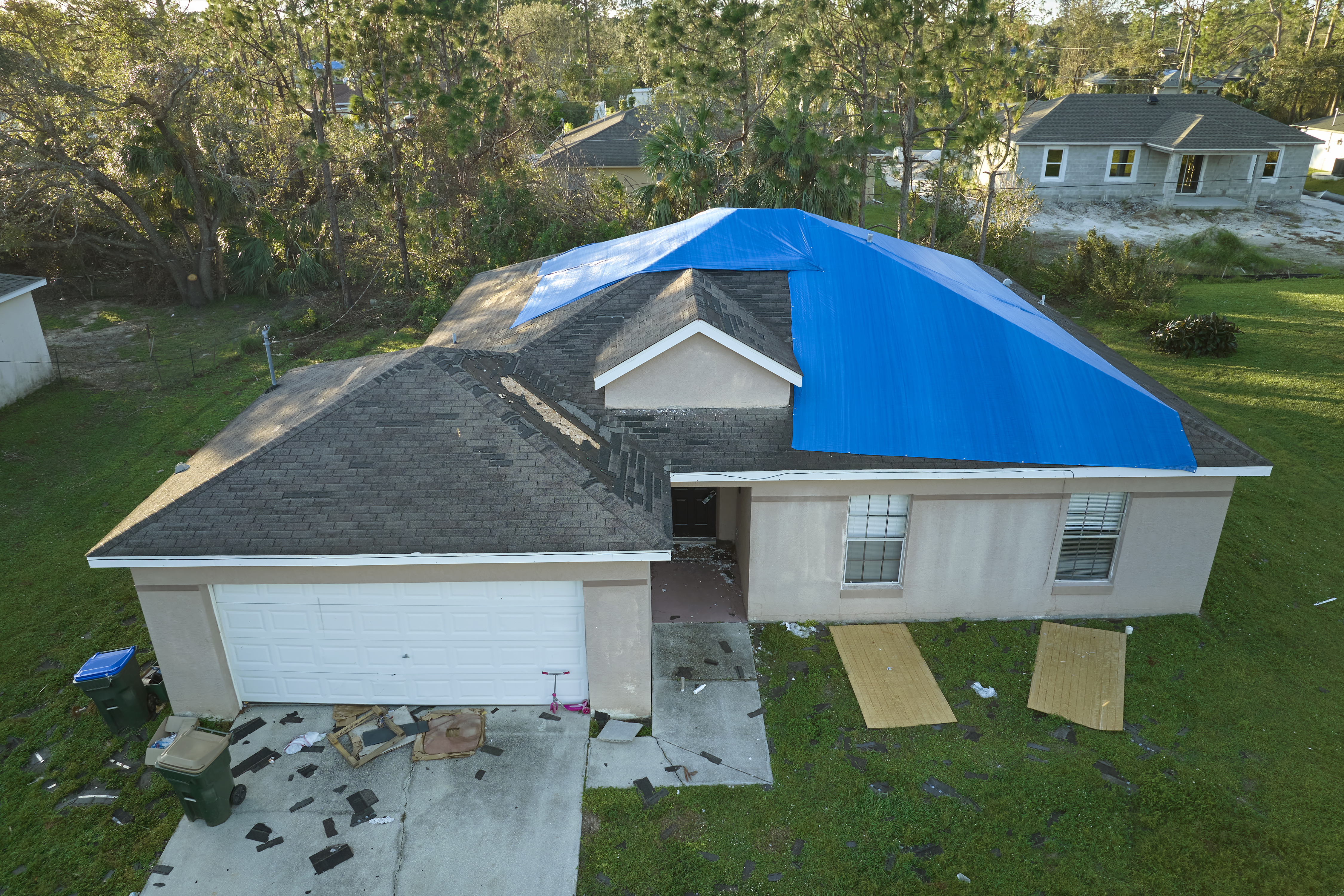
After a storm, it’s crucial to assess your roof to prevent minor issues from becoming major headaches. Here’s how to identify damage specific to different aspects of your roof.
Signs of Hail Damage
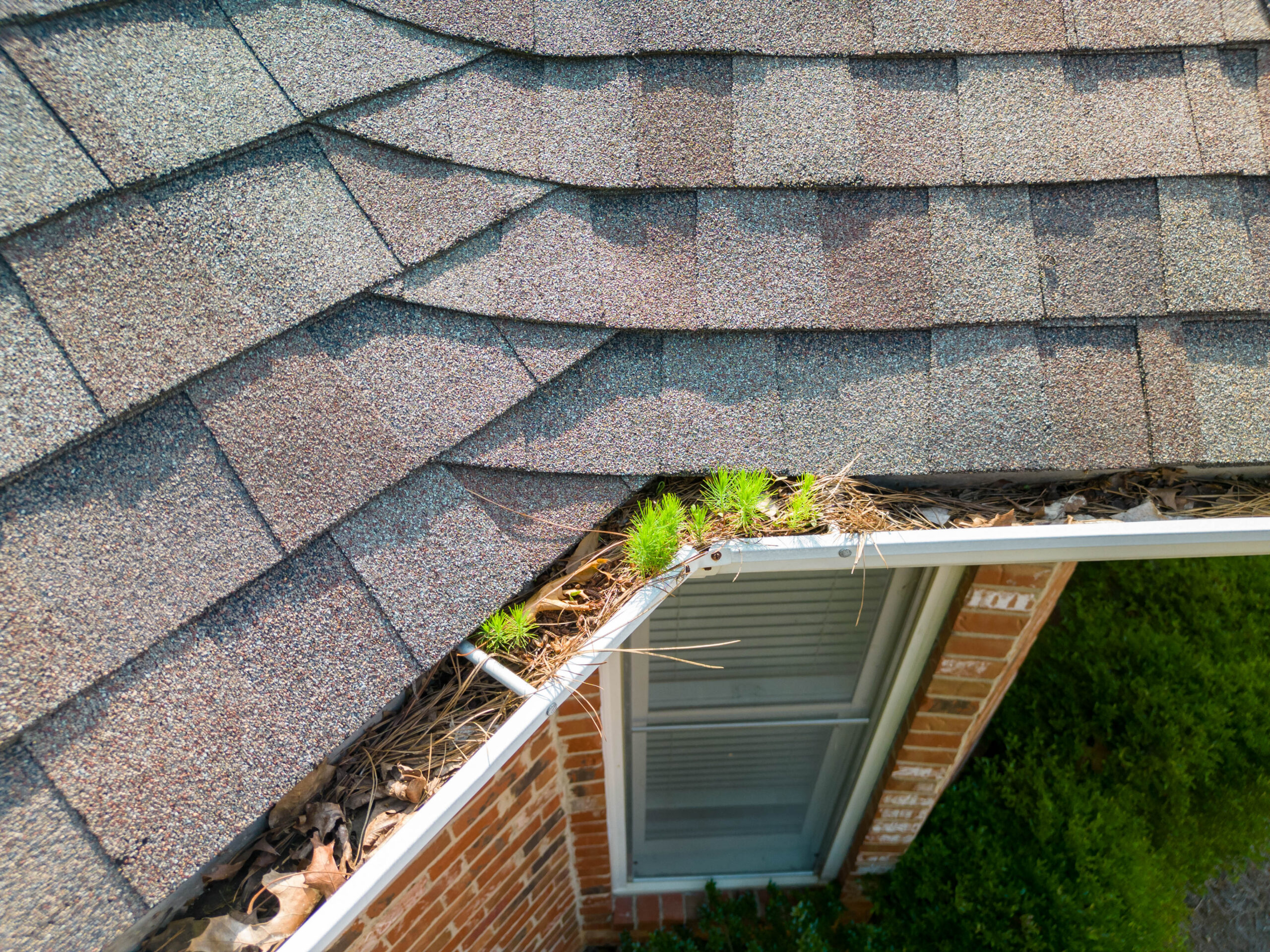
Hail can be sneaky. It doesn’t always leave obvious marks, but even small dents can lead to leaks. Look for round marks or dimples on shingles. If you notice granules collecting in your gutters, it’s a sign that hail has hit hard. Granule loss can reduce your roof’s lifespan. Beyond shingles, hail can also damage gutters and siding, affecting overall home integrity. If you’re unsure, here’s a detailed guide on what to look for in hail damage.
Spotting Wind Damaged Shingles
Wind can rip shingles right off or loosen them. Missing shingles are easier to spot, but loose ones might flap in the wind. Check for curled edges and nails popping out. These signs mean your roof needs attention to prevent water damage. Wind damage can also affect your home’s energy efficiency, making timely repairs important.
Detecting Roof Leaks After Storm
Leaks are sneaky and can show up far from the actual roof damage. Inside, look for water stains on ceilings or walls. In the attic, use a flashlight to spot any drips or wet spots. Address leaks quickly to avoid mold and structural issues. Remember, a small leak today can lead to costly repairs tomorrow.
Immediate Steps After a Storm
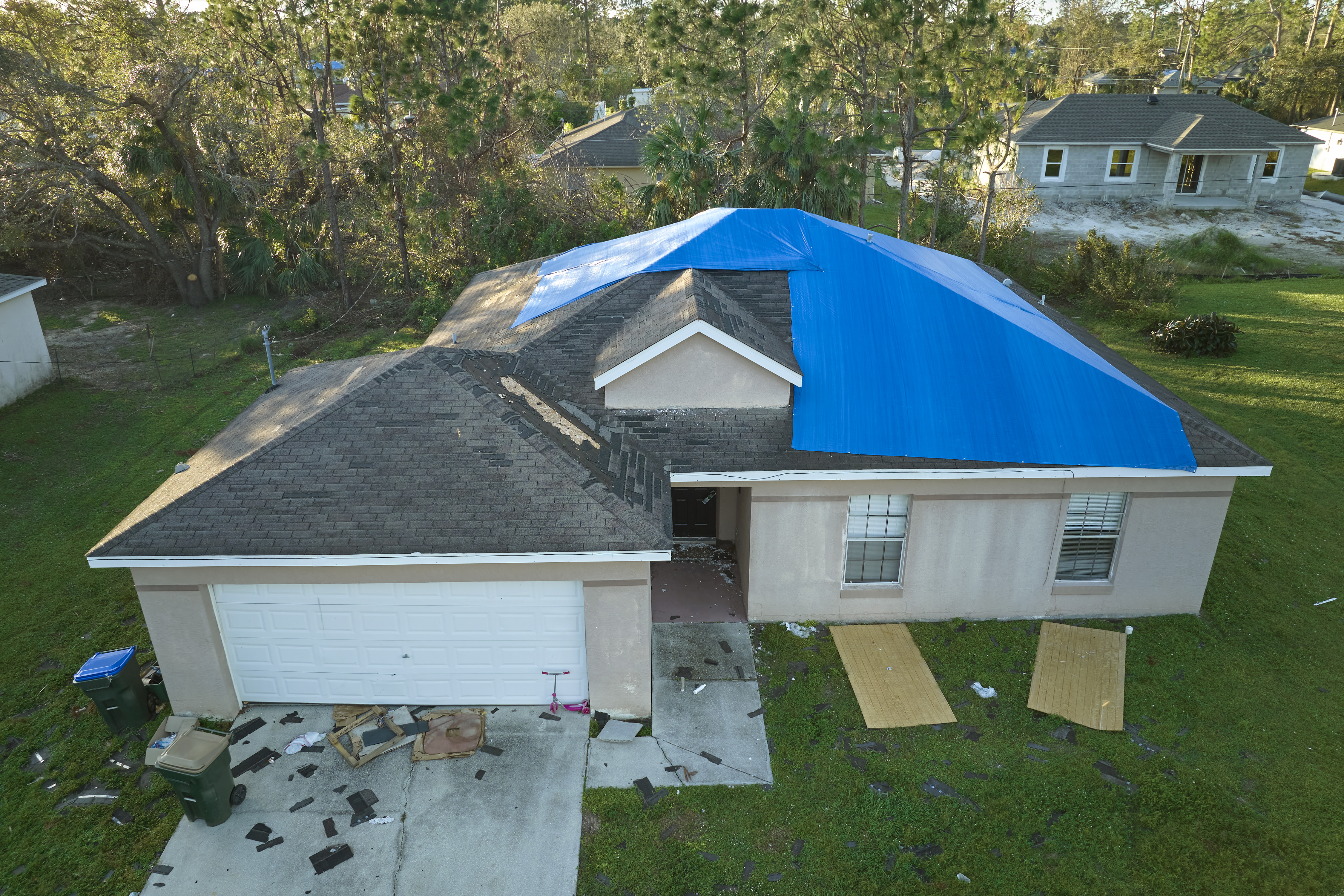
Now that you’ve identified potential damage, it’s time to act. Quick action can save money and stress down the road.
Documenting and Photographing Damage
First, grab a camera or your phone. Capture every detail of the damage. This documentation is essential for insurance claims and helps you keep track of repairs needed. Take pictures of missing shingles, hail hits, and any water damage inside. This visual record will be your best friend when dealing with insurance adjusters.
Ensuring Safety and Emergency Roof Tarping
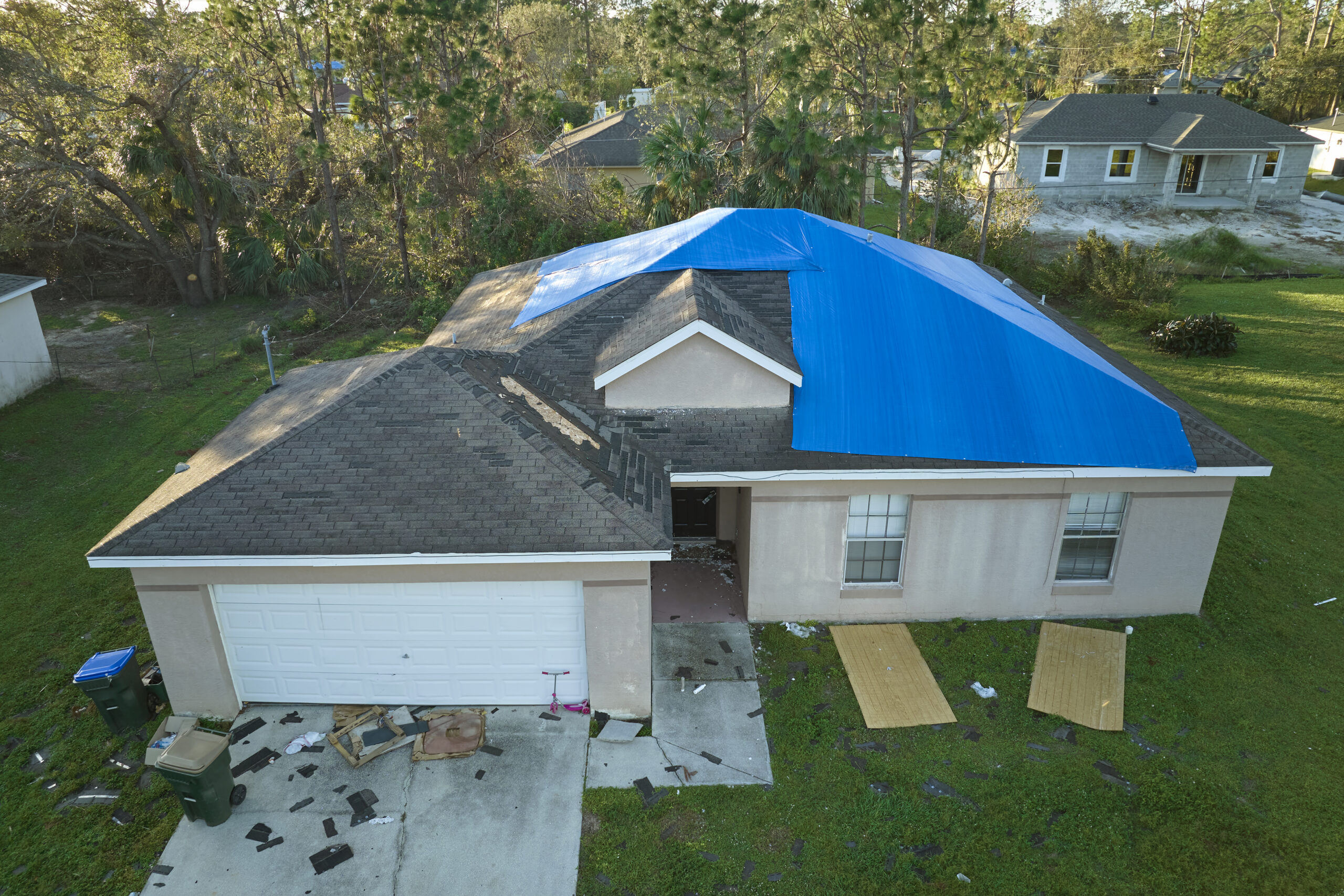
Safety first! Before you climb up to inspect, check for downed power lines or debris. If your roof is in bad shape, stay off. Instead, consider emergency roof tarping to prevent further damage. Tarping is a temporary fix but can save you from more extensive repairs. It’s a wise move until professional help arrives.
Contacting a Trusted Local Roofer
Once you’ve assessed the situation, reach out to a local expert. A professional inspection can uncover hidden issues. MAX Roofing offers a free storm damage inspection, ensuring nothing is overlooked. Having a reliable roofer in your corner simplifies the entire process.
Navigating Roof Repairs and Insurance Claims

With a trusted roofer by your side, you’re ready to tackle repairs and insurance claims. Here’s how to make the process smoother.
Free Storm Damage Inspection in Omaha
A free inspection is a great way to start. It uncovers all damage, including less obvious issues, and provides a clear picture of repair needs. This service helps you understand the extent of damage and plan your next steps. In Omaha, MAX Roofing offers comprehensive inspections to give you peace of mind.
Insurance Claim Roofing Help
Navigating insurance claims can be daunting. Most people think they have to tackle this alone, but professional help is available. MAX Roofing guides you through the claims process, making sure you get what you deserve. They handle the paperwork, so you can focus on getting your home back in shape.
Benefits of Class 4 Shingles Upgrade
Consider upgrading to Class 4 shingles during repairs. These shingles stand up better to harsh weather, reducing future damage risks. They can also lead to insurance discounts, saving you money long-term. Stronger, more durable shingles mean less worry when the next storm rolls through.
By following these steps, you protect your home and ensure it’s ready for whatever weather comes next. If you’re in Nebraska or Iowa, and have questions, reach out to MAX Roofing for expert advice and support. Your roof shields your home—make sure it’s prepared for the job.